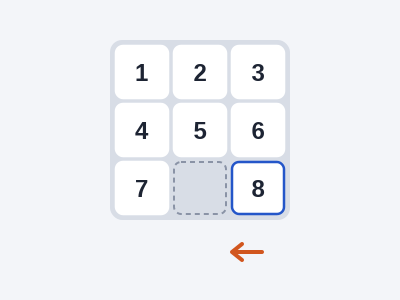
Sliding Puzzle
The classic number-tile puzzle in three sizes, from a gentle 3×3 to a demanding 5×5. Every shuffle is checked to be solvable, so a solution always exists.
Rotation, mazes, maps and shape puzzles: what spatial reasoning is, why it matters for learning and playful ways to practice it at any age.
Spatial thinking is the ability to picture shapes, positions and movement in your head. These guides explain what researchers mean by spatial skills, where they show up in school and everyday life, and simple games and puzzles that let children and adults practice them.
4 guides, 4 games
The classic number-tile puzzle in three sizes, from a gentle 3×3 to a demanding 5×5. Every shuffle is checked to be solvable, so a solution always exists.
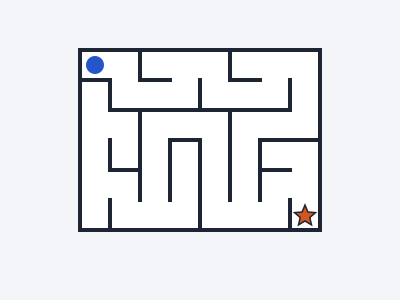
Guide a marker from the top-left corner to the star through freshly generated mazes. Each has one route between any two points, so the exit is always reachable.
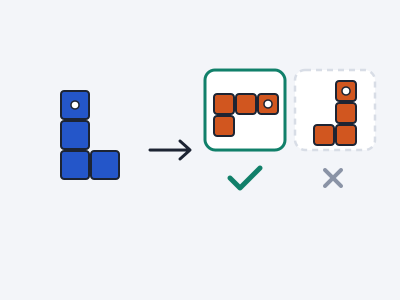
Find the shape that has only been turned, not flipped. Generated block shapes and mirror-image distractors make a visual puzzle with three difficulty levels.

Compare two freshly drawn scenes and find every change: missing objects, swaps, size changes, stripes or flips. Each round generates a new original scene.

Spatial Thinking
Why differences hide in plain sight, how change blindness and visual search work, strategies that find every change, home-made puzzles and low-vision options.
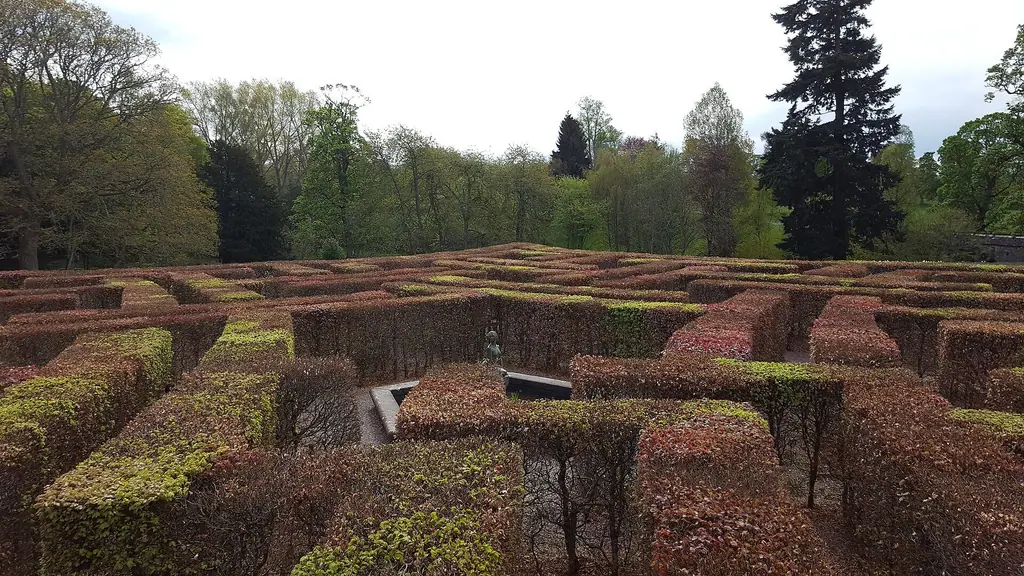
Spatial Thinking
Mazes vs labyrinths, how to solve a maze with the wall-follower rule and when it fails, drawing mazes with kids, and outdoor map games for young explorers.
Spatial Thinking
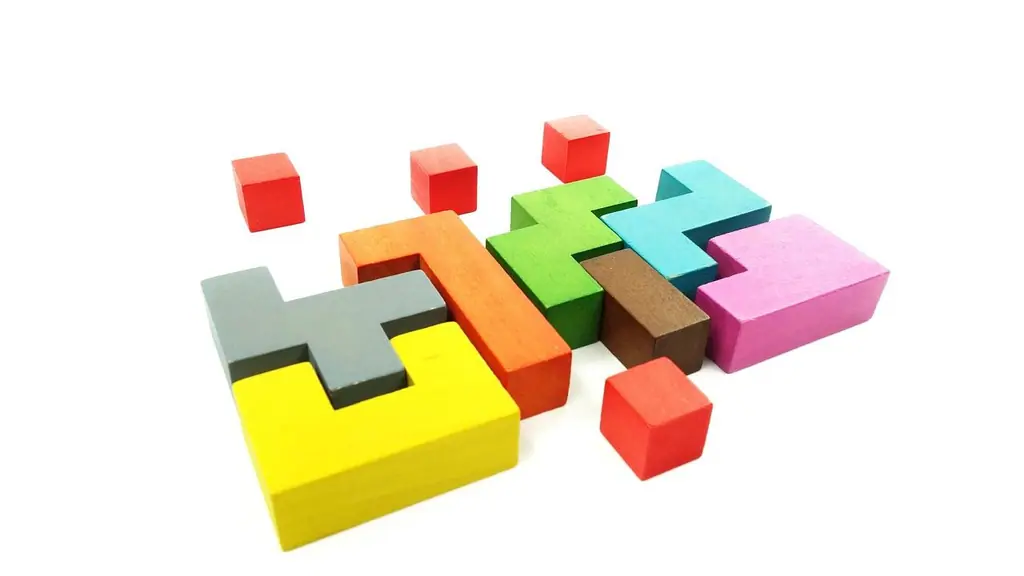
A parent's guide to spatial reasoning: mental rotation, visualization, perspective and wayfinding, why research links it to STEM, and everyday ways to practice.
Spatial Thinking
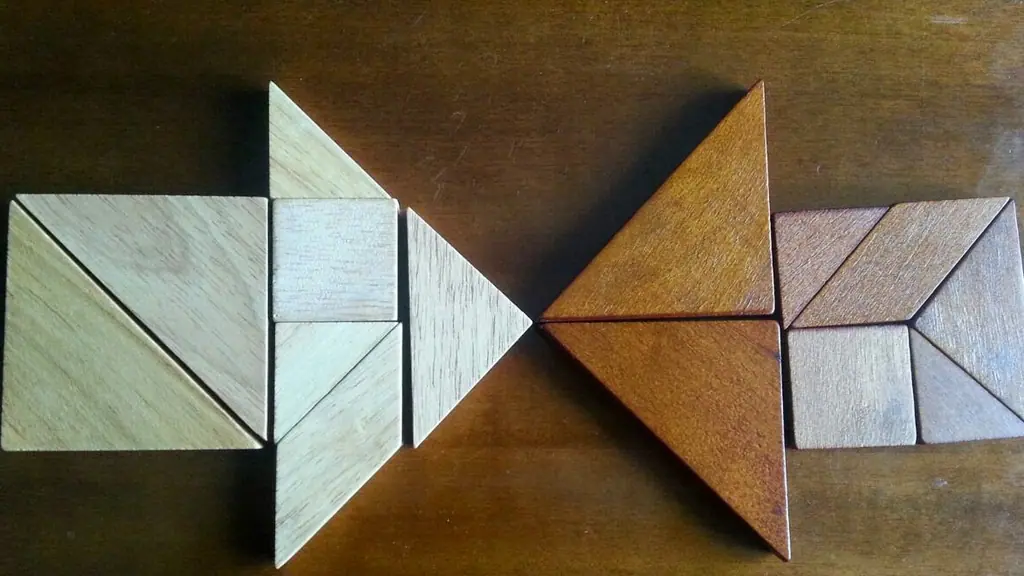
What a tangram is, where it came from, how to cut a set from card in minutes, and a step-by-step path from outline puzzles to silhouettes, with the evidence.