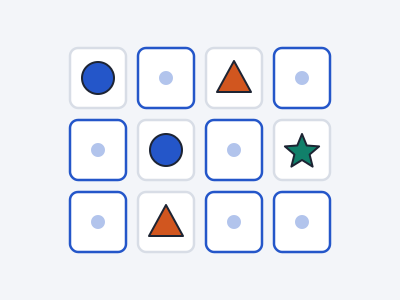
Memory Match
A calm card-matching game with three grid sizes. Turn two cards at a time, remember where each shape hides, and clear the board with as few moves as you can.
Playing together: games that work across ages, house rules that keep things fair and ways to make game time relaxed, inclusive and fun.
Family game time works best when everyone can join in. Here you will find ideas for games that span ages and abilities, house rules that level the field, ways to handle winning and losing, and how to mix screen and tabletop play.
4 guides, 4 games
A calm card-matching game with three grid sizes. Turn two cards at a time, remember where each shape hides, and clear the board with as few moves as you can.
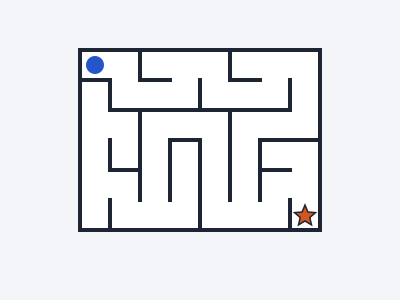
Guide a marker from the top-left corner to the star through freshly generated mazes. Each has one route between any two points, so the exit is always reachable.
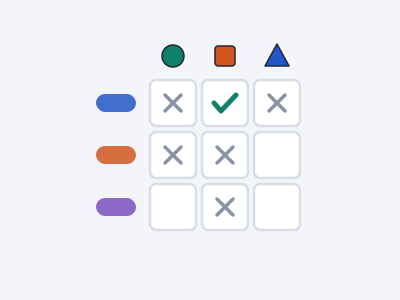
Read the clues, mark yes and no in a grid, and deduce who has which pet, snack or hobby. Every puzzle is checked by a solver to have exactly one answer.
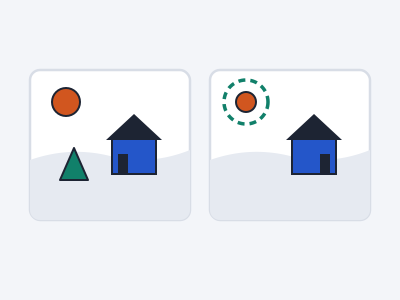
Compare two freshly drawn scenes and find every change: missing objects, swaps, size changes, stripes or flips. Each round generates a new original scene.
Gaming for Families
What co-play and joint media engagement mean, conversation prompts for gaming together, letting your child lead, handling losing, and modeling healthy breaks.
Gaming for Families
Every ESRB and PEGI age category, content descriptor and in-game purchase label explained, plus PEGI's 2026 rule changes and what ratings never tell you.
Gaming for Families
A five-layer way to choose age-appropriate video games: rating, content descriptors, purchases and chat, your child's temperament, and trying it yourself first.
Gaming for Families
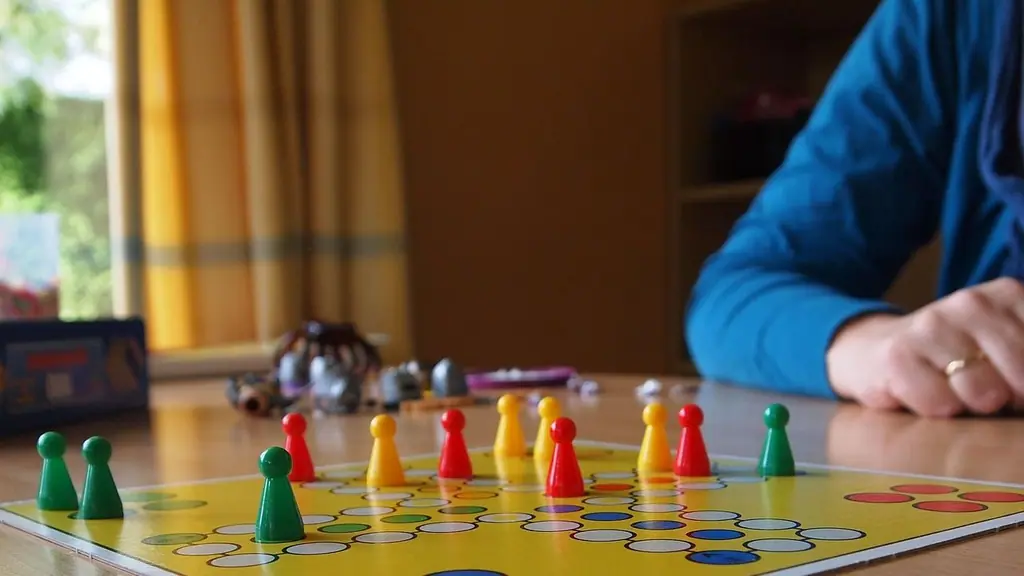
What makes a game truly cooperative, why co-op suits mixed ages, house rules that stop one player taking over, and local co-op video game features to look for.