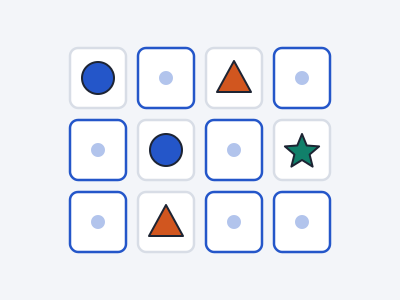
Memory Match
A calm card-matching game with three grid sizes. Turn two cards at a time, remember where each shape hides, and clear the board with as few moves as you can.
How games can support learning at home and in class: what research says, how to choose well and how to use play without losing the fun.
Games can be a good way to practice skills, but not every game labeled educational teaches much. These guides cover what research says (and does not say) about learning through games, how teachers and parents can choose and use them, and how to keep the play part genuinely playful.
3 guides, 4 games
A calm card-matching game with three grid sizes. Turn two cards at a time, remember where each shape hides, and clear the board with as few moves as you can.
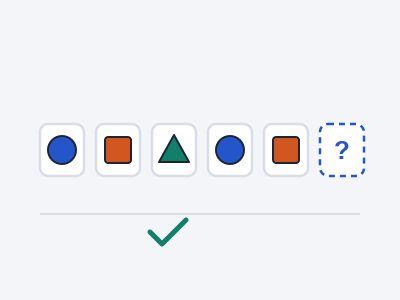
Spot the rule behind a row of shapes and pick the missing piece. Patterns repeat by shape, fill, size or direction, and every answer comes with an explanation.
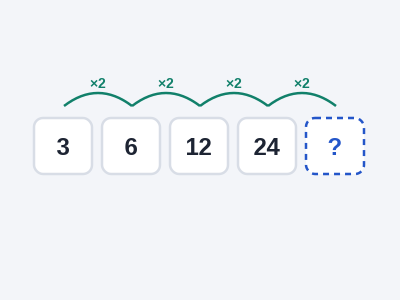
Work out the rule behind a number sequence and choose what comes next: counting on, doubling, growing gaps and more, with each rule explained after you answer.
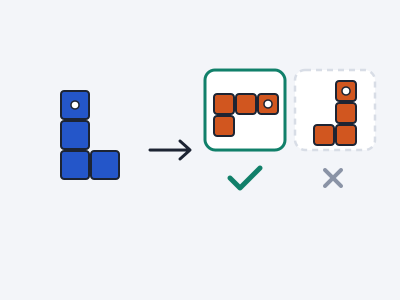
Find the shape that has only been turned, not flipped. Generated block shapes and mirror-image distractors make a visual puzzle with three difficulty levels.
Educational Games
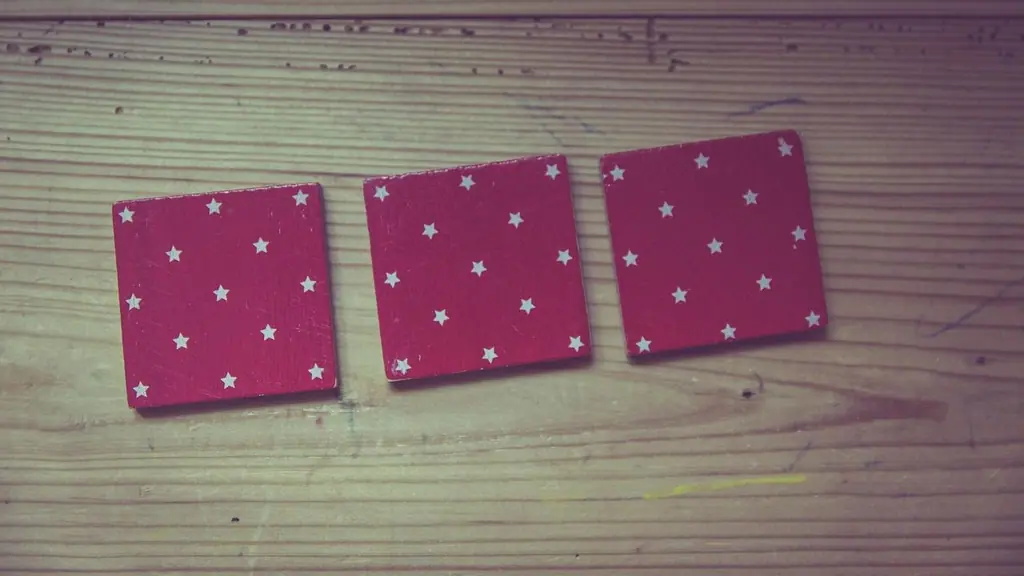
Pairs, Kim's game and sequence recall explained: what working memory is, strategies kids can learn, how to scale difficulty, and what memory games can't do.
Educational Games
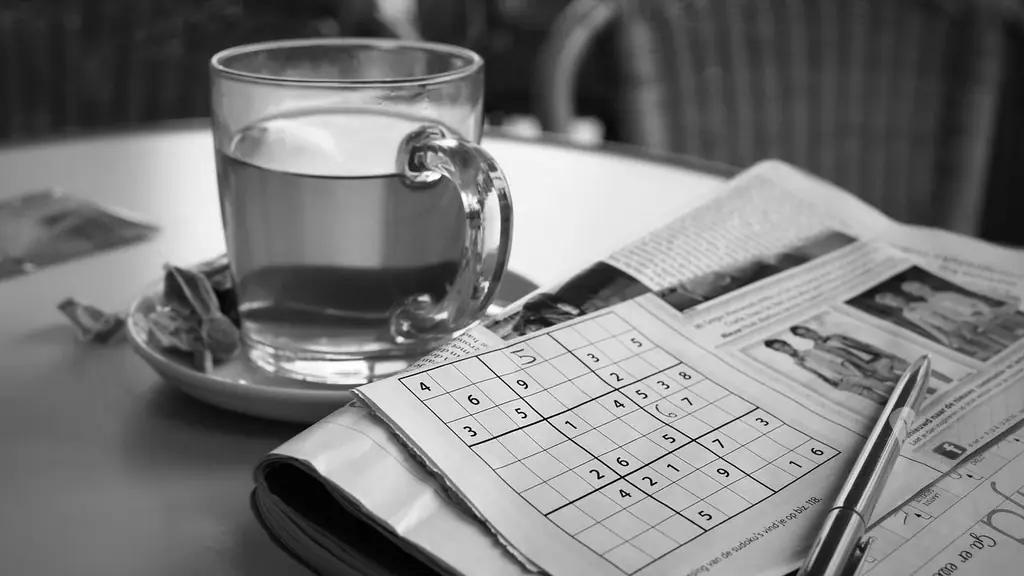
Brain games make you better at brain games. What near and far transfer mean, what reviews and the FTC found, and what puzzles are still genuinely good for.
Educational Games
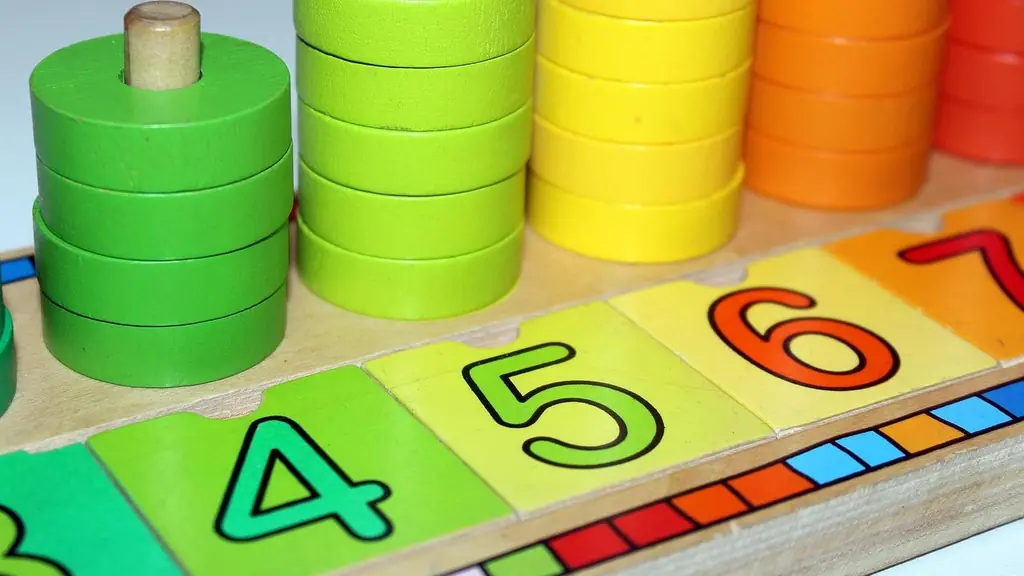
Use the four pillars of learning, clear goals, useful feedback and fair design to judge whether a game or app labeled educational is worth a child's time.