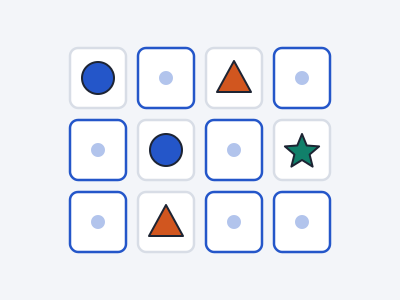
Memory Match
A calm card-matching game with three grid sizes. Turn two cards at a time, remember where each shape hides, and clear the board with as few moves as you can.
Sliding puzzles, tile games, jigsaws and pattern puzzles: how different puzzle types work, what makes a good one and how to get better at them.
Puzzles are one of the oldest kinds of play, and one of the most varied. Here we look at how the main families of puzzle work, from sliding tiles and matching games to pattern and sequence puzzles, what separates a satisfying puzzle from a frustrating one, and practical ways to improve without looking up the answer.
4 guides, 7 games
A calm card-matching game with three grid sizes. Turn two cards at a time, remember where each shape hides, and clear the board with as few moves as you can.
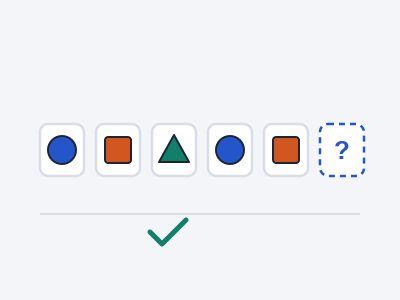
Spot the rule behind a row of shapes and pick the missing piece. Patterns repeat by shape, fill, size or direction, and every answer comes with an explanation.
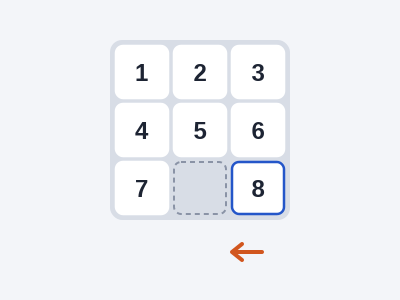
The classic number-tile puzzle in three sizes, from a gentle 3×3 to a demanding 5×5. Every shuffle is checked to be solvable, so a solution always exists.
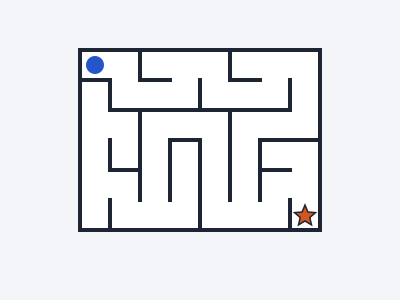
Guide a marker from the top-left corner to the star through freshly generated mazes. Each has one route between any two points, so the exit is always reachable.
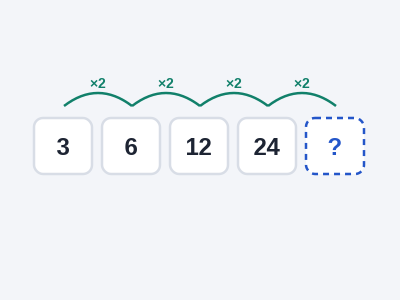
Work out the rule behind a number sequence and choose what comes next: counting on, doubling, growing gaps and more, with each rule explained after you answer.
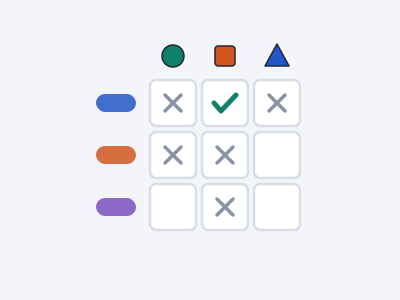
Read the clues, mark yes and no in a grid, and deduce who has which pet, snack or hobby. Every puzzle is checked by a solver to have exactly one answer.
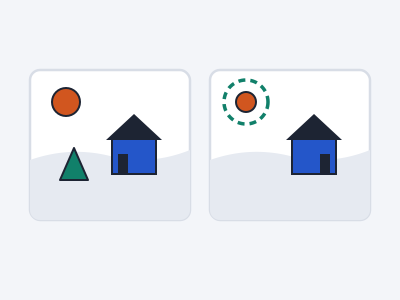
Compare two freshly drawn scenes and find every change: missing objects, swaps, size changes, stripes or flips. Each round generates a new original scene.
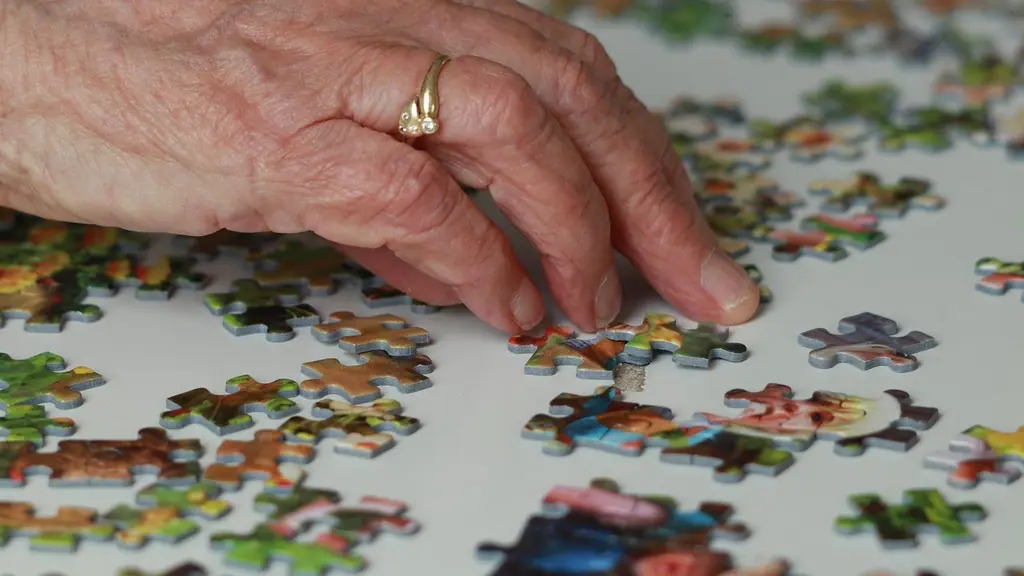
Puzzle Games
What jigsaws, tangrams and paper puzzles offer that screens do not, and the reverse, plus a flexible weekly mix and current AAP and WHO screen guidance.
Puzzle Games
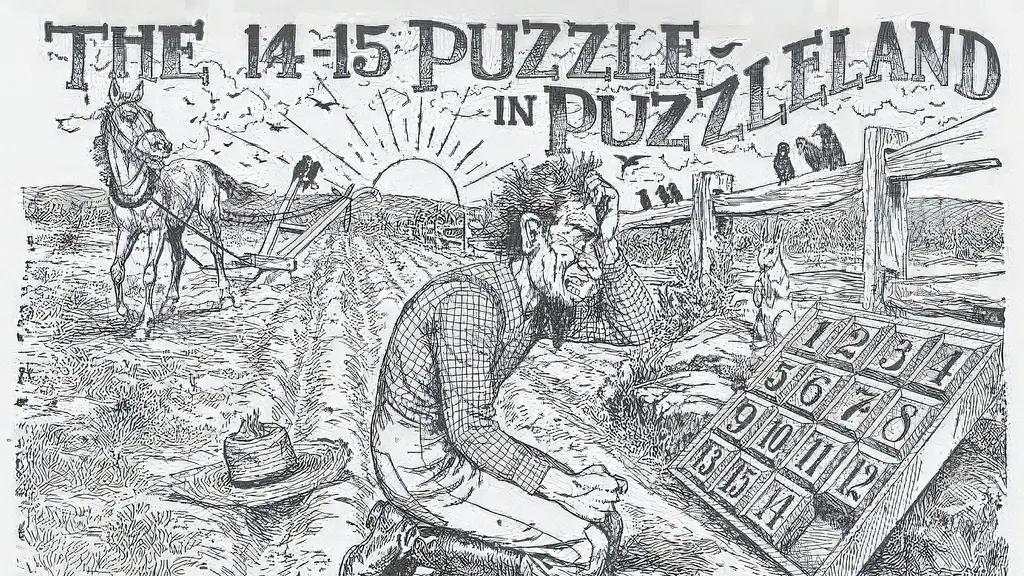
The story of the 1880 15 puzzle craze, why half of all jumbled boards can never be solved, and a row-by-row method that works for 3×3, 4×4 and 5×5 boards.
Puzzle Games
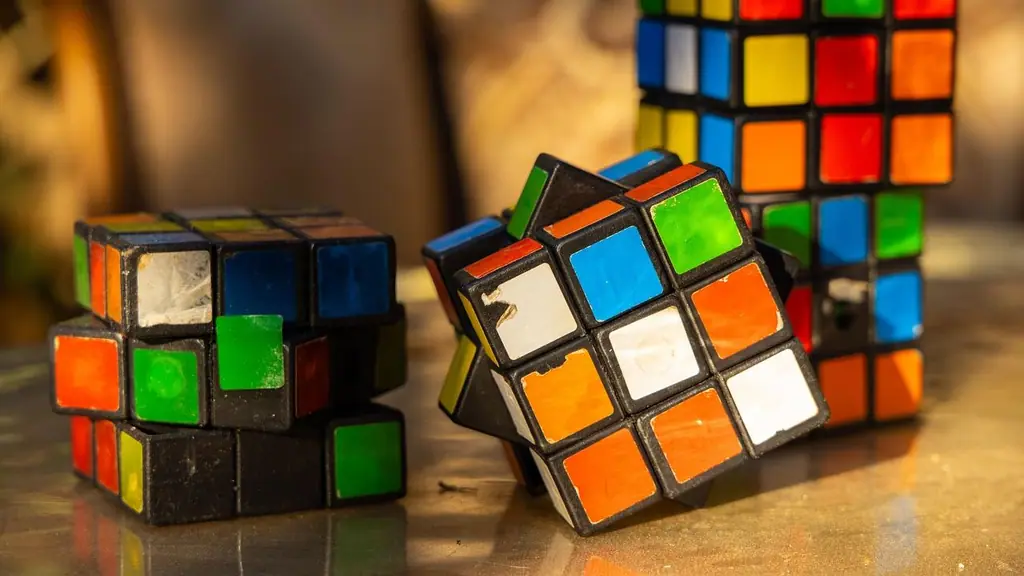
A plain guide to the main puzzle families, from logic and spatial puzzles to pattern, word and physics puzzles: the thinking each asks for and where to start.
Puzzle Games
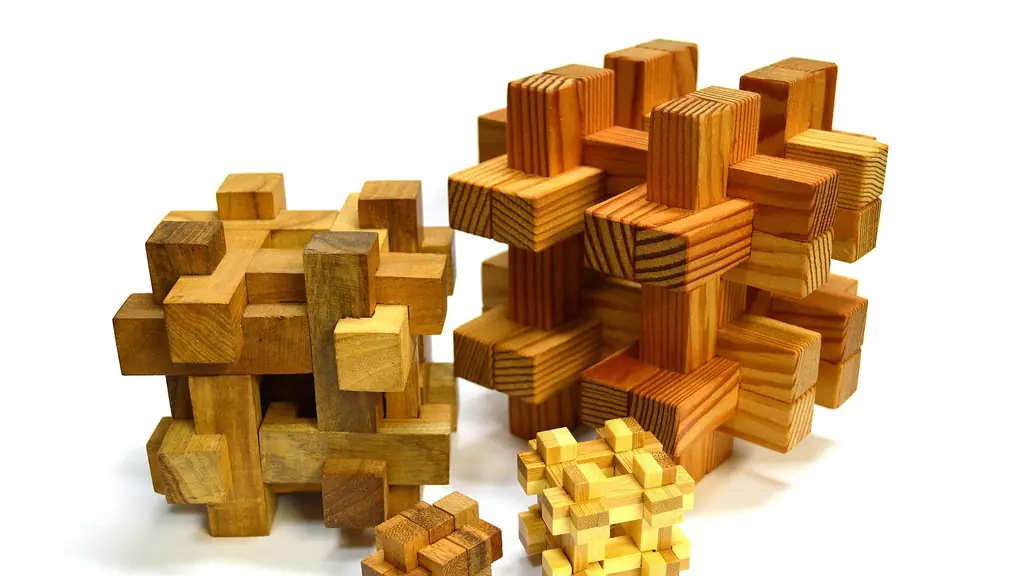
How puzzle designers raise difficulty: teach one idea, combine ideas, then twist them. Why spikes and plateaus matter, and why hints and skips help kids.